Lizzie’s story
Lizzie's story
Lizzie shares her experience of becoming a foster carer, adapting her working life and supporting a young girl as her confidence grew over time.

Lizzie’s fostering story
Lizzie and her partner both worked full time and had no children of their own when they decided to become foster carers. Since then, Lizzie has gone on to foster more than one child and adapted her working arrangements to make it work. She shares what inspired her to take the leap, the moment she watched a young girl’s confidence transform before her eyes, and what she’d say to anyone worried about getting too attached.
What inspired you to become a foster carer?
We have several adopted members in our family so are familiar with different home set ups. During the pandemic, our awareness of the increasing need for foster carers led us to start exploring what’s involved. Knowing there’s a growing need for foster carers, and then realising, once we started looking into it, that we have the skills and space in our home and our hearts to meet that need. We didn’t look back!
Was there anything that nearly stopped you?
My partner and I don’t have biological children and we both worked full time when we applied. It was reassuring to learn neither circumstance is a blocker! For the first eight months of fostering our first child, a teenage boy, we both continued to work full time. I later secured a job-share role, working three days a week, which has been ideal for balancing foster caring commitments with my career.
What has been your most rewarding moment?
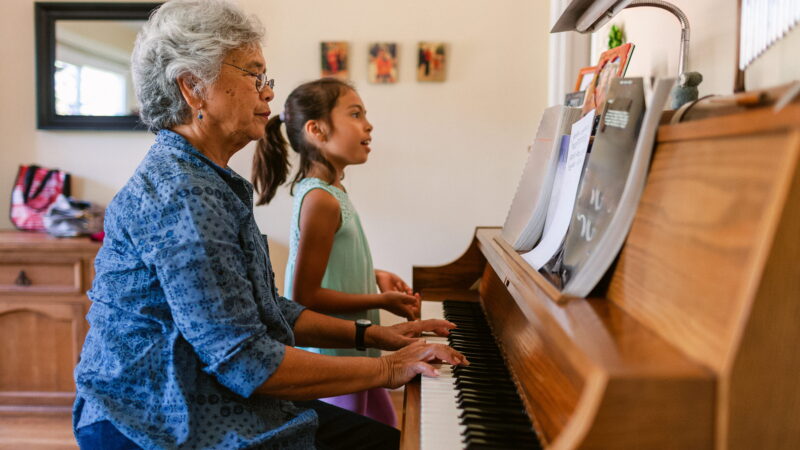
Seeing our young girl’s confidence blossom has been incredible. At the first school assembly we attended, she stood quietly behind her Year 1 classmates, barely joining in with the actions and singing softly, if at all. She was reluctant to be seen. Over the following year, we shared so many new experiences together, singing and dancing at home, seeing musicals, taking theatre trips, starting Brownies and going to drama camps and her self-esteem began to shine through. By her Year 2 assembly, she was leading the class, singing proudly, dancing enthusiastically, and beaming with confidence. Watching her stand tall and embrace her place in the world was incredibly emotional, for the teachers as well as for us. It’s the gradual build-up of special moments like these that makes fostering so fulfilling.
What about worries around attachment?
I think a lot of people worry about this, and the truth is it can be very hard when a child moves on. I underestimated just how emotional those transitions could be. But secure attachments are part of what helps a child feel safe, valued and well cared for. If you can help a child take that next positive step, despite it being tough, then it’s all worthwhile.
What would you say to someone considering fostering?
Fostering isn’t a job, it’s a wholehearted commitment and lifestyle change. It requires patience, resilience and dedication, but if you have those qualities, it can be one of the most rewarding things you’ll ever do. The difference you can make to a child’s future is truly life-changing, for them and for you.
Find out more about what to expect
Your journey to becoming a foster carer
Every step of your fostering journey is supported. Here is what to expect. The process takes up to eight months. Some steps may happen in a different order or at the same time. Your local fostering service will guide you through.
Support, training, allowance and Fees
You won’t be doing this alone. From the moment you’re approved, you’ll have a dedicated social worker and access to a support network throughout your fostering journey.